
Now more than halfway through the school year, students’ motivation either runs high or low, and they have the chance to ‘thrive or survive.’
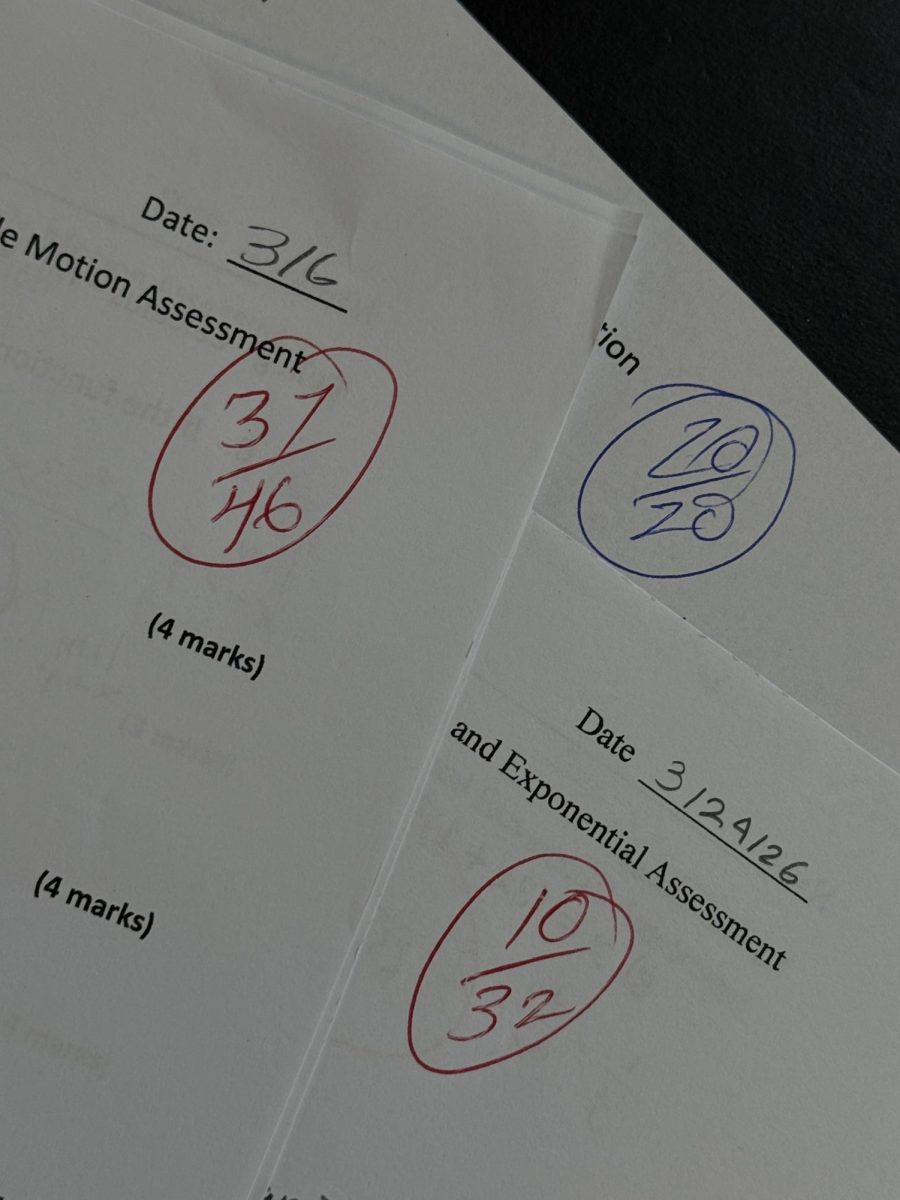
Grades either struggle or flourish during the third marking period, due to fluctuating motivation within students. However, grades tend to stay neutral.
“I think [my grades are] pretty neutral [compared to earlier this year],” said senior Barbara V.
Balancing time can cause a large impact on grades. The type of classes and extracurriculars students are involved in affect time and grades, making time management an important skill.
“I think it’s a mix of the types of classes I’m taking, combined with the separate stuff I do out of school and not being overwhelmed, but being on top of finding time to get to fit everything in,” said Barbara.
The academic rigor of a class that someone is taking can affect their grade because of the material and assignments. For example, IB Diploma students approach the testing season in the fourth quarter, so the third quarter is filled with test prep and work.
“I definitely had a lot of tests, a lot of IB test prep, and finishing up the curriculum before IB test practicing, so classes have been moving faster, which has impacted my grades,” said senior Madeleine M.
Seniors are infamous for “senioritis,” especially after the first half of the school year, so their grades tend to lower towards the end of the school year.
“The big change I see in the third quarter is that many of [the seniors] have already been accepted to their colleges. And they are subconsciously celebrating their acceptance by thinking the school year is over […] I think the potential in college credit for many students is definitely a motivation. […] Knowing that you could save a nice penny by taking an AP or an IB exam in high school, scoring high enough and not having to sit through the class in college and pay that tuition, […] that would be a very good motivator for students,” said lead teacher of the social studies department, Dr. Michael Jeziorski.
Seniors receive motivation from the potential to save money for college, by taking college-level courses, and receiving college credit, according to Dr. Jeziorski.
Non-senior classes tend to have a rise in grades, during the third quarter.“I see [a rise in grades] more in the non-senior classes, like the juniors, or maybe even some sophomores, even freshman. By the second half of the year, they have fully adjusted to high school and now they really know what the expectations are. […] The juniors realize ‘I’m going to college. This is my last chance to really get my GPA up to where it used to be,” said Dr. Jeziorski.
This also may be due to parental influences playing a role in how much schoolwork is getting done.
“In some ways, [for] freshmen, sophomores, and even the juniors, their parents are more involved in watching what they’re doing, but the seniors are usually left on their own,” said Dr. Jeziorski.
To maintain a balance between thriving and surviving in school, studying and maintaining balance is important.
“I think that to find success, you have to have a nice balance between studying and also leisure time, free time […] doing something to decompress and let the mind rest for a little bit, and do something fun,” said Dr. Jeziorski.