Due to the skyrocketing costs and decrease in availability in recent years, concert tickets have become increasingly difficult to attain for fans of live music.
Concerts may have become more of a luxury rather than an accessible experience for many. This is largely because of factors such as online queues, scalpers and resale, dynamic pricing, and climbing prices.
Dynamic pricing increases the prices of tickets based on how many people are in a queue and the demand for tickets. Popular artists that have used this include Harry Styles and Sabrina Carpenter.
Even excluding this controversial feature, ticket prices are at an extreme high, which does not include other fees, parking, merchandise, or refreshments for the actual event. Tickets for seats farther from the stage can be $100 or more, and seats closer to the stage have reached thousands of dollars for some artists. An additional problem is the increase in price with resale. Tickets aren’t always hundreds of dollars at face value, but once bots and scalpers get a hold of them, they resell them for significantly more than the original price.
“Ticket prices and availability issues have both increased through the internet with fans buying tickets online only to sell them for twice the amount. It happens so often because people want money and some people are desperate to see specific bands or artists,” said sophomore Avery R, via text.
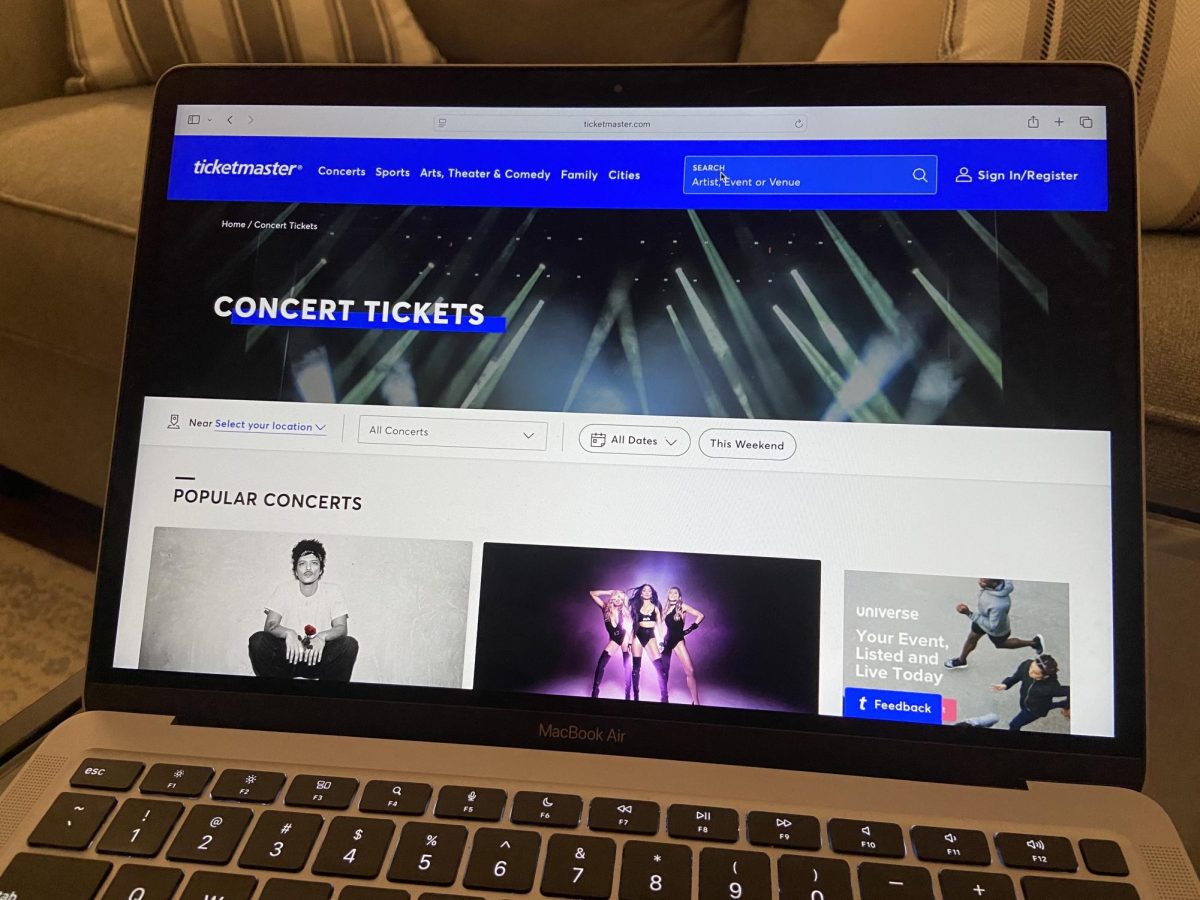
Ticketmaster, which is owned by Live Nation, and its monopoly on the ticket selling industry have had a huge effect on ticket availability as well. The company has control over around 60 of the top 100 venues in the country, according to the Department of Justice (DOJ). The company makes billions of dollars in revenue each year from the ticket sales it produces. The DOJ even sued the company for its monopoly and overwhelming control over tickets at the expense of the consumers, with hidden fees and issues. The website is known for internet crashes, queues with thousands of individuals more than there are seats, and for resellers getting tickets before real fans.
“I went to the Reputation Tour when I was in kindergarten. My mom got four tickets for $80. But now it’s $1000 to go to one concert, for one ticket,” said freshman Mollie B.
The average cost for a single concert ticket in 2024 was $135.92. This is a major increase from the average of $25.81 in 1996, which is just over $52 with today’s inflation according to USA Today. In the last five years, there was a large spike in the prices that tickets were sold for. With these steep expenses, live music experiences are less accessible for general fans and the culture of concerts has changed. It is no longer a mainstream form of connectivity and pleasure, but something only for those who can afford it.
“Concert prices are absurd and […] are much less accessible than they were in previous times […] for the general public,” said junior Sela M, via text.
Concerts are an unforgettable event for anyone who enjoys listening to music live surrounded by other music lovers. However, with the issues that have arisen in recent years, the chances for people to have these experiences have dwindled. Thousands of people waiting in online queues, scalpers, and steep costs have changed the way concerts are accessible to society where the fans exist.