
The Commack High School Athletic Program offers numerous sports for student athletes to take part in, giving them outlets to socialize and be active. However, many sports inevitably lead to athletes getting injured, with some causing them to end their season early.
Athlete injuries are the reasons why Commack High School has an athletic trainer.
“I take care of all the athletes whether they are at practice or games. I do prevention so when they come in at 2:30, I tape them and get them ready for practice. […] I’m in charge of assessing injuries, I’m not allowed to diagnose, just assess, so I can see what’s going on with them, tell them if they need to see the doctor, if I have to call the parents. I also do a lot of rehab, [including] different treatments for different injuries that I see,” said athletic trainer Lynn McConnell.
Sports such as football and soccer are very contact heavy and can lead to many injuries. Injuries such as sprained ankles, concussions, and torn ACL’s stem from improper technique on the field.
“A lot of times we can prevent injuries by making sure that we follow certain protocols. We have to make sure everyone is doing everything correctly as far as their technique. Like in football, we have to make sure that they know how to tackle correctly and also how to land correctly because if we’re tackling wrong we might risk a cervical injury or a concussion. Same as with soccer, there’s a certain way to head the ball to ensure that you’re not coming down with a concussion so as long as we’re practicing techniques it should help alleviate some of these injuries that we’re having,” said McConnell.
There are many other methods that can help with injury prevention. One of these techniques is noticing the warning signs of an injury and taking quick action.
“A lot of the time you might get a cramp but people might confuse it and think it’s a strain. The nice thing is people usually come in [to the athletic training room] right after school and I usually have a long line of people and I assess them to make sure that they’re good. […] It’s good that they come see me every day and I can choose some sort of special test to see how they’re progressing and to make sure that they’re doing the right thing as far as playing and everything,” said McConnell.
In the unfortunate case of a serious injury, an important part of recovery is visits with physical therapists. Initial appointments with physical therapists evaluate one’s injury to determine what needs to be done to help, as well as assessments that might show something about a patient’s body that they themselves never knew.
“We definitely do a gait assessment, so we’ll check out how they walk with everybody because a lot of times that will clue us in. And if [their feet] only bothers them when they’re running, we’ll put them on the treadmill. […] Other things we look at are posture, flexibility, and [factors] away from the injury. So if someone has a knee or an ankle injury, I’ll check the whole quarter [of the body] and I’ll check the hip out too to see if the hip is tight/level,” said physical therapist Dr. Venise Mule-Glass, DPT, of Sunshine Physical Therapy.
Athletes also use physical therapy to prevent getting an injury. They are able to go to screenings before a season for evaluation, and follow training routines to maximize injury prevention.
“We haven’t had any baseball. [injuries] yet but we had some people who came here before baseball season to do what they call a preseason screening. […] A lot of times they feel a little tight or they want to get in better shape for when they go out for tryouts, and they want to make sure there are certain muscle groups that are strong. […] My biggest quote I always say is, ‘Get in shape to play a sport, don’t play a sport to get in shape. We’re talking 6-8 weeks prior to your season starting, you should be evaluated for your strength, for your flexibility, for your endurance, and then work on a program for 6-8 weeks,” said Dr. Mule-Glass.
Depending on the severity of the injury, recovery could take a shorter or longer amount of time. During this time there are many exercises for a patient to do to help them return to a healthy state as soon as possible. It’s also important to have an injury be treated sooner rather than later as to not allow it to get worse.
“Minor injuries could be 1-2 weeks, moderate ones, 4-6, and major ones, 6-8 depending on if there is a fracture involved. It could be up to 12 [weeks] and again it depends on the severity and the immobilization. […] For every one day you’re immobilized, it takes three days of exercise to get you back to that pre-injury status. […] Don’t let a minor injury turn into a major one. Listen to the signs. […] and don’t worry about getting help and being pulled because a lot of times when you go to a sports physical therapist or someone that deals with sports, they’re not trying to pull you from your sport, they’re trying to give you suggestions and modifications so that you could continue to play your sport,” said Dr. Mule-Glass.
A specific injury that is very severe is a snapped anterior cruciate ligament (ACL). This injury is caused by erratic movements in sports with sudden direction changes.
“I was trying to push my offense forward and I lost the ball trying to do so. I was hustling back to win the ball back and tried to stick the tackle to get the ball back. I missed it and I planted my foot too hard on the ground and when I tried to move the opposite way, my body went one way and my leg went the other I snapped my ACL,” said junior Joseph P. via an email.
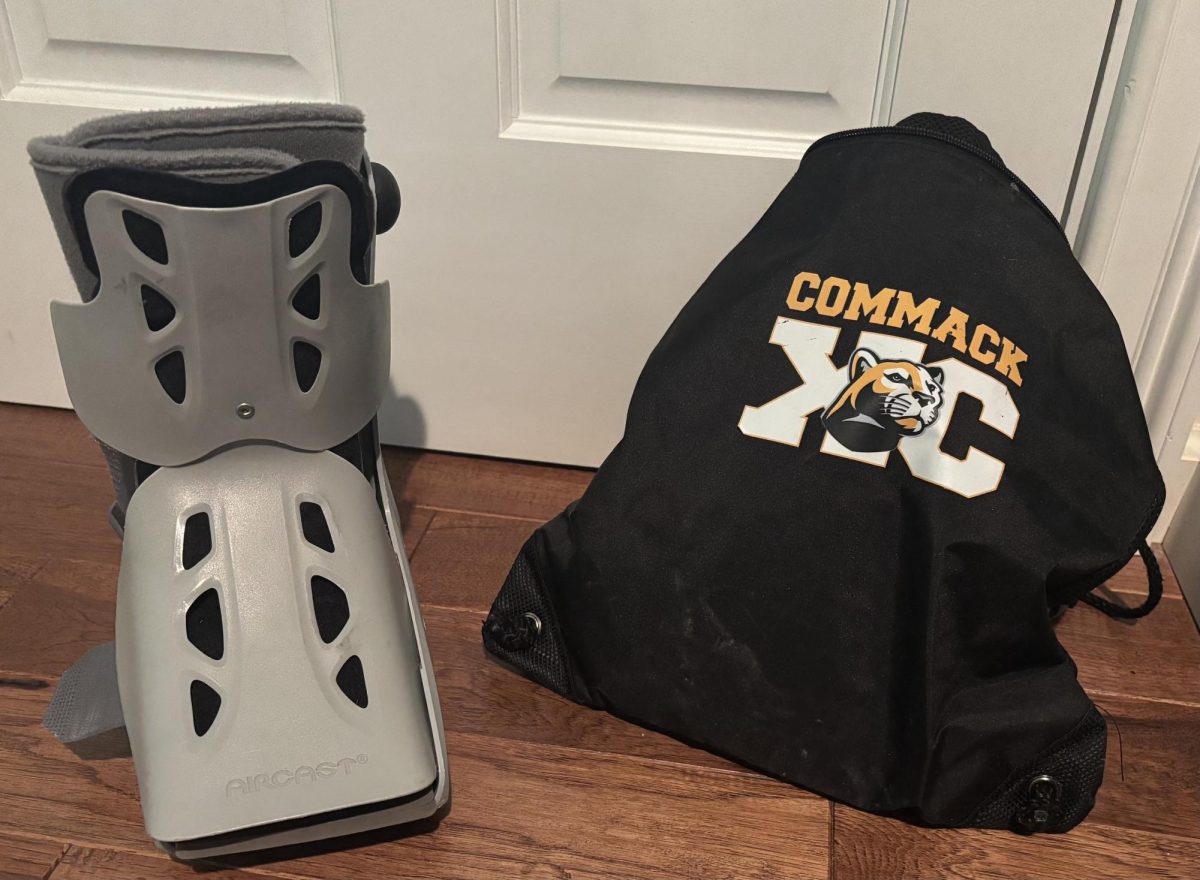
This injury is very painful and has a very slow recovery process, which means that it’s a loss of an opportunity for an athlete to make more memories with their team.
“I missed the second half of my club ball [club soccer] season because of it [snapped ACL]. I missed school ball [school soccer] and all the memories of winning states when I was on the side line and I knew if I wasn’t hurt, I would’ve been out there playing. […] When I was at physical therapy it was a nightmare the first week. All pain and all stretching that my body wasn’t able to do yet. But, I made it through that week or two of pain and I slowly recovered and got my full strength back which meant I could start running, jumping, moving side to side, and playing soccer. […] The recovery was around 8-9 months starting the day I came out of surgery which was in early May,” said Joseph.
Playing a sport in school is the preferred extracurricular activity of many students in high school. Whenever an athlete is practicing or playing their sport, they are exposed to potential injuries that could happen at any second of their career, so it’s important to always be cautious and for an athlete not to push their bodies too much.
“I have learned to never take your body for granted and when an injury comes up don’t make it worse by playing on it and take time off to relax and get yourself back to the peak condition you were before even if it takes time,” said Joseph.